Exiled Writers Ink is proud to be the London partner and representative for the University of Westminster’s National Refugee Archive Project whilst being aware of the formidable challenge posed by the attempt to represent the enormous and diverse refugee population of the capital city.
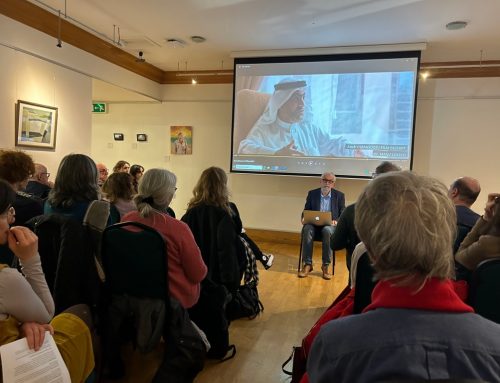
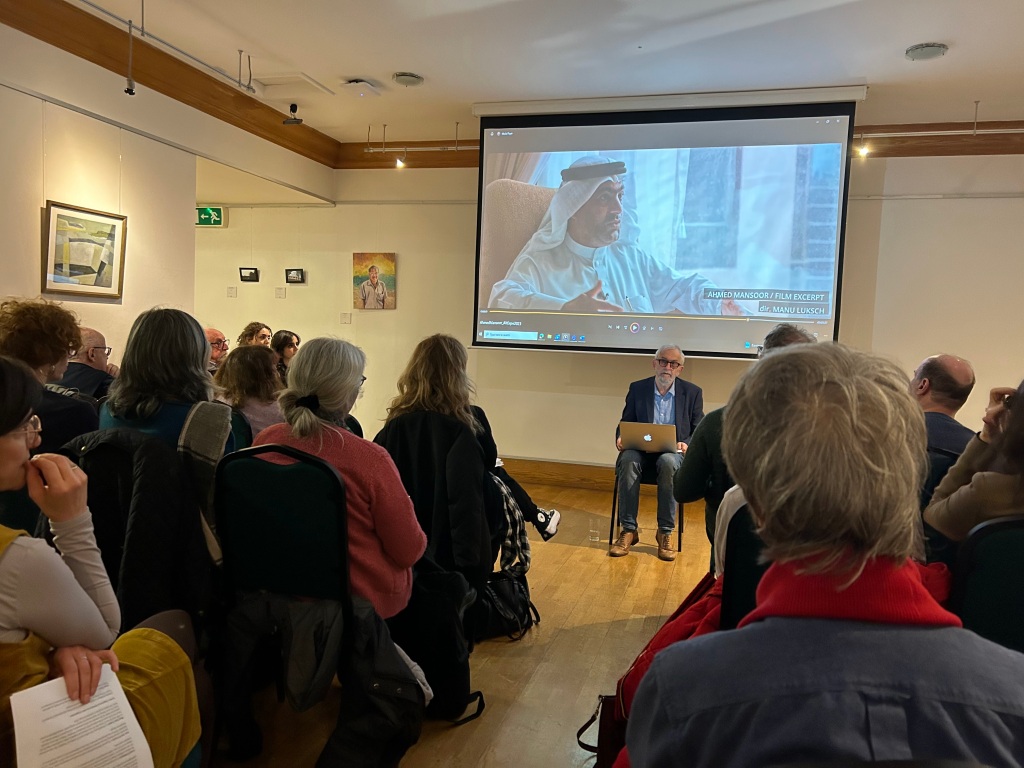
When I first heard about the Refugee Archive Project, the philosopher Jacques Derrida’s work Archive Fever immediately sprang to mind. His ‘archive fever’ is one in which he constructs the desire for an archive as compulsive, repetitive and nostalgic driven by the anxiety that without one, the past will be lost forever. Certainly, this urge for a refugee archive was palpable in the refugees’ lively contribution to the London Exiled Writers Ink consultation meeting in January 2026 which brought together refugees who had escaped from many different countries. Formally founded in 2000, Exiled Writers Ink works with and for established, emerging and aspiring writers from repressive regimes and war-torn situations. The organisation develops and promotes their creative literary expression, encouraging cross-cultural dialogue and advocating human rights through literature and literary activism.
An imperative for the refugees was to be no longer negatively shaped and attacked by others in the form of constant refugee demonisation and they saw the creation of an archive as functioning to contest the negative stereotypes. They were insistent in wanting their ordeals, experiences and lives as refugees in the UK to be recorded, listened to and read about and a means of inscribing themselves in British history. An archive was seen as a way for the public to gain insights not only into the pain of the refugee experience, but also into the complexity and diversity of the experiences and backgrounds of those from different countries and regions.
Moreover, the establishment of a refugee archive would also validate the refugees’ own sense of self and identity enabling them to take control of their own narratives. In fact, the state of displacement causes an enormous rupture in the refugee self. Having been cast out by the home country or fled, refugees are forced to confront the question of identity. Negotiating constantly with a conflicting sense of self, they feel unstable and unable to find a place in the world of exile. Devastation in the country of origin compounds the sense of alienation, stimulating the need for memory of the past in the desperate search for identity.
To return to Derrida, he refers to ‘archive’ or arkhe as meaning both the commencement and the commandment with the commandment implying that the archive is linked to authority. With Exiled Writers Ink alone interacting with well over one thousand refugees, all with their own individual backgrounds, histories, experiences and subjectivity, the question to be posed is who would control the contents of the archive. Arguably a tension might exist between the empirical evidence collected in the historical archive and one comprising private, individual memories yet the historical and memory may align and ask questions of each other. Trauma and nostalgia will surely be represented in the personal, intimate accounts of private lives although narrative memory frequently involves the failure of memory in terms of trauma while nostalgia may be the means by which refugees escape to an idealised past.
Currently, there are numerous accounts written by refugees and scattered throughout England, which have appeared in anthologies, booklets and magazines as well as on-line, but no coherent national refugee archive exists and so there is a pressing need to establish one. This is the valuable work that the National Refugee Archive will hopefully achieve.